
Stay Lubly, Get Tested in 2026
This year, Stay Lubly zeroes in on the rising rates of syphilis and its serious health impacts, particularly during pregnancy. Untreated syphilis can cause significant complications, but regular testing and open conversations can make all the difference.
What’s new this year? The Stay Lubly message is rolling out in a big way. You’ll spot bold billboards in Whyalla, Port Lincoln, and Lonsdale, and for the first time, stunning artwork by Savi Ross is featured on a tram making its way through Adelaide all throughout March and April. The campaign also pops up at tram stops and bus shelters across the Adelaide metro area, making it even easier to get the word out and start those important conversations.
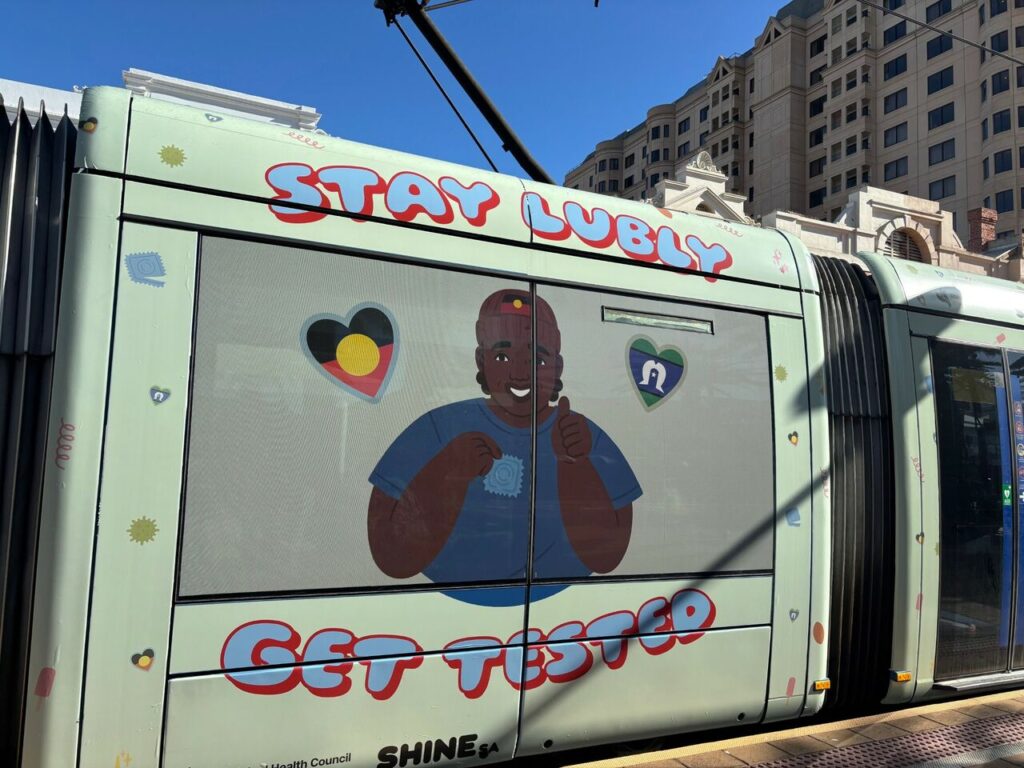
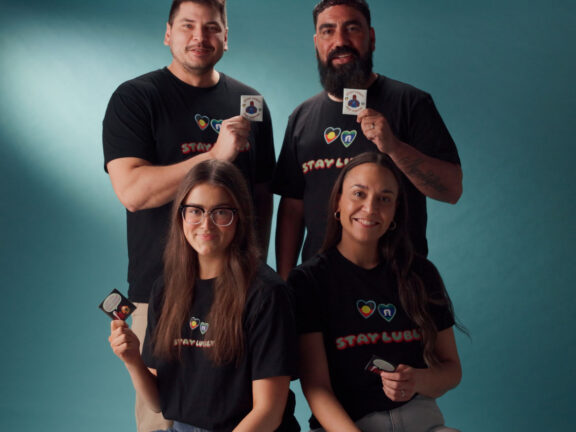
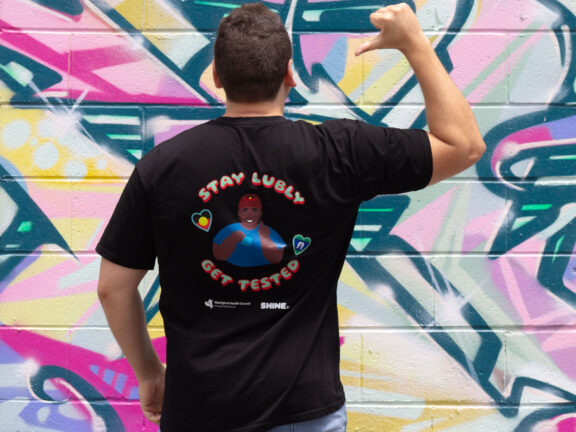
As part of the 2026 campaign, AHCSA and SHINE SA are rolling out new resources and culturally safe messaging tailored for Aboriginal communities in South Australia. The campaign aims to break down stigma, making it easier to yarn openly about sexual health and encourage everyone to get tested regularly. “It’s time to take control of your sexual health and break down the stigma around these very important conversations,” says Bianca. “When you Stay Lubly, you keep yourself, and your community safe.”
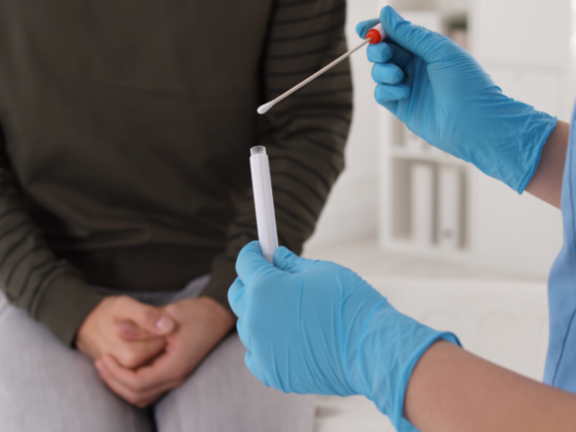
SA Health has issued a health alert following the identification of a cluster of HIV cases in metropolitan Adelaide, with transmission associated with methamphetamine use, injecting and non-injecting.

Aboriginal Community Controlled Health Services (ACCHS) in South Australia are setting the standard in the recovery of sexual health services following the COVID-19 pandemic.