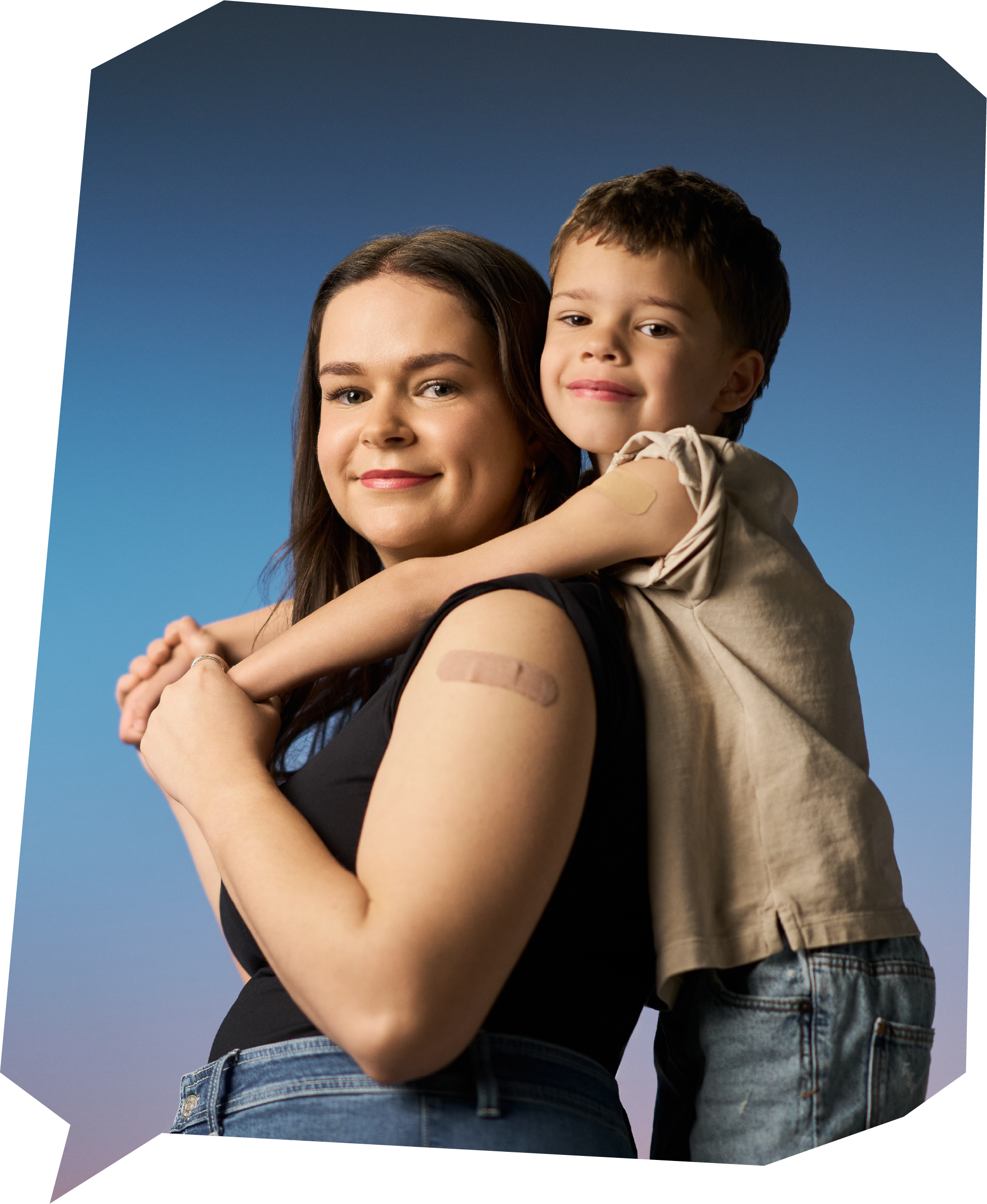
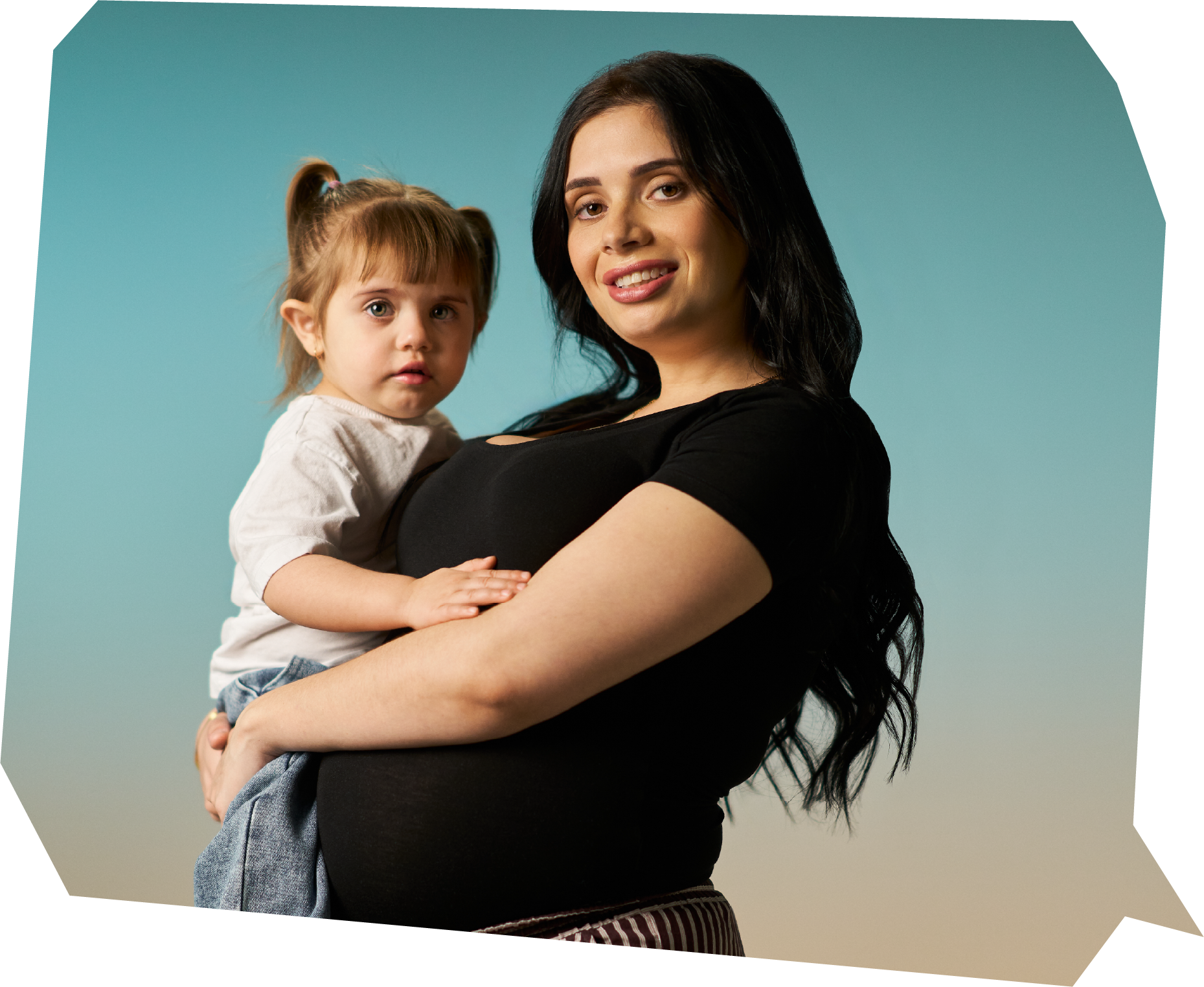

Vaccines teach your body to fight infections. They stop you from getting sick and stop diseases spreading. Staying up to date with vaccines is the best way to protect yourself, your loved ones, and your mob.
Ask your local health service about vaccination.

Vaccines help protect the most vulnerable members of our community at every stage of life. Let’s keep yourself, bubs, Elders and community safe.

It’s the best way to protect yourself and give your loved ones the protection they need when they need it.

Having questions about vaccination is okay. Go to your local health service and have your questions answered by people you trust.
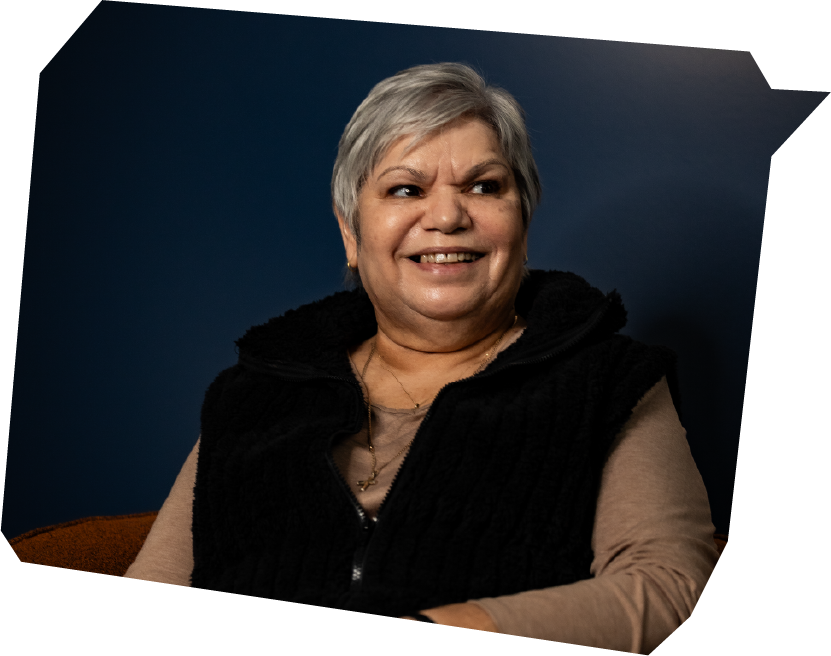
Maxine Turner


Some of the diseases children are vaccinated against, like whooping cough and flu, are still common among children living in Australia.
Others, like measles, are less common in Australia but are more common in nearby countries. These diseases can be brought into Australia, so getting vaccinated will protect you and your family from getting sick.
Some of the diseases we vaccinate children against, like polio, have become very rare in Australia because vaccination has stopped them from spreading. We still vaccinate Australian children against these diseases to stop them from coming back.
Allowing people to develop immunity by catching the diseases is not safe. Vaccine-preventable diseases can make you very sick.
Vaccines give strong and safe protection without the risk of getting sick.
Health experts develop the immunisation schedule so that each jab is given at the right time to build strong protection early in life. It’s safe for bubs and littlies to get more than one vaccine at the same visit.
Children get as many vaccines as possible in the first two years so they can be protected as soon as possible from diseases that can be serious.
Vaccines in Australia go through strong checks to make sure they work well and protect our community. After they’re rolled out, vaccines continue to be closely monitored for safety.
Vaccines train the immune system to quickly recognise and clear out germs that can cause serious illness.
Vaccines help keep our community from getting really sick and stop diseases spreading to family, Elders and others. When lots of people are vaccinated, it’s much harder for diseases to spread around which helps keep everyone healthier.
Vaccines work by imitating an infection to train the body’s natural defences. The active ingredient in all vaccines is an antigen, the name for any substance that causes the immune system to begin producing antibodies. In a vaccine, the antigen could be either:
Vaccines work by stimulating the body’s defence mechanisms to provide protection against infection and illness. These defence mechanisms are collectively referred to as the immune system. Vaccines mimic the protective response normally mounted by the immune system after infection.
Most of the cells involved in immune responses live for only a few days, but a small number of lymphocytes survive for months or years after the infection has been cleared away. These lymphocytes either continue to produce antibodies or retain a ‘memory’ of the invading pathogen. In the case of measles, for example, that memory has been shown to last for more than 60 years.
This memory means the immune system can mount a much faster, larger and more sustained response if it encounters the same bacteria or virus again. That response can control subsequent infection more efficiently, without leading to the unwanted and serious complications associated with the infection itself.
References:
What is immunisation? | Australian Academy of Science
Explaining How Vaccines Work | Vaccines & Immunizations | CDC
I have questions | Sharing Knowledge About Immunisation | SKAI
Childhood-immunisation-frequently-asked-questions-first-nations-fact-sheet.pdf
You can get vaccinated at participating clinics and selected pharmacies, making it easier than ever to stay protected.
Learn More
Diphtheria can make you very sick and even put you in hospital. It can be spread easily between people if it’s not treated. Vaccination is your best protection from getting very sick. Skin sores or sore throat? Visit your local health service.

Ask your local health service about vaccination. It’s okay to have questions. You can talk to them about what’s right for you and your family.