
Keep It Clean, Stop Trachoma
Strong eyes, strong people. Trachoma is an eye sickness that can cause serious issues if left alone, and can spread from person to person. Let’s keep our mob safe!
Videography: Umeewarra Radio
Trachoma is an eye infection caused by bacteria that can spread from person to person through unwashed hands, shared towels, and flies that come into contact with infected eyes or faces. If a person gets trachoma many times, it can cause scarring inside the eyelid, making the eyelashes turn inward and scratch the eye, which can lead to vision loss or blindness. Trachoma is linked to environmental health inequities where access to clean water, sanitation services, and housing that supports good hygiene and healthy living may be limited.
It can be found through regular eye checks and is treated with antibiotics, while prevention includes washing faces every day, keeping homes and communities clean, and improving access to water and healthy living conditions. Trachoma has been declared eliminated as a public health concern, but regular eye checks and early treatment are still important to protect the eye health of Aboriginal children and communities and to make sure that trachoma doesn’t come back.
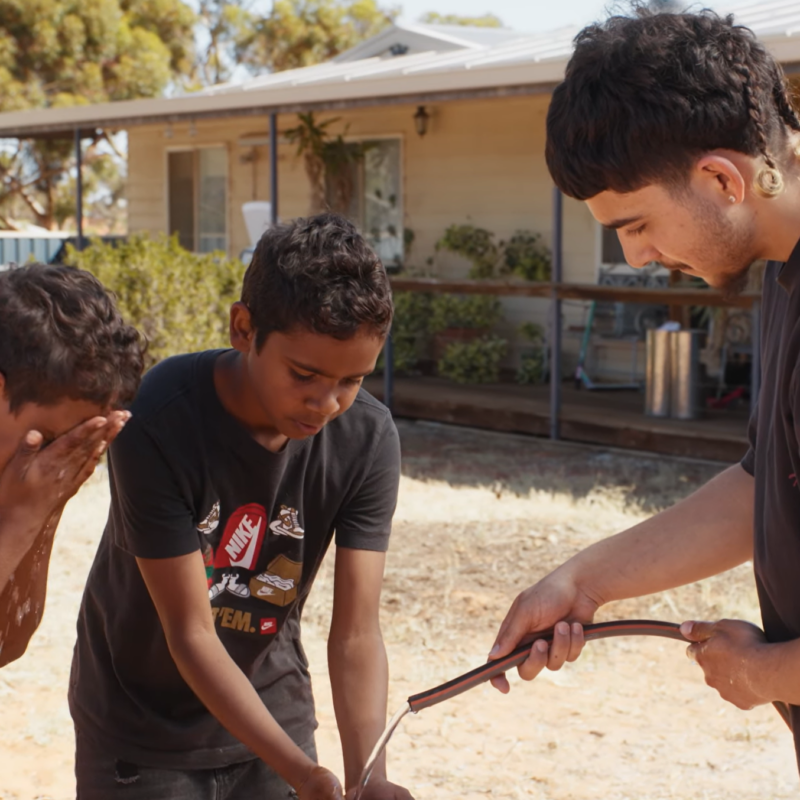
Here are some simple things you can do:
By keeping our faces, hands, and homes clean, we can help stop trachoma.
The work of Public Health Programs covers a diverse range of health issues. It supports the response of the Community-Controlled Sector to public health emergencies such as infectious disease outbreaks. It also coordinates sustained action in areas such as sexual health, immunisation and environmental health.