

Aboriginal Maternal and Infant Care (AMIC)
Learn more below about the role of an AMIC practitioner, and how they improve health and wellbeing of Aboriginal women and their families during pregnancy, childbirth, and early parenting.
For over 20 years, AMIC Workers have played a vital role in supporting the health and wellbeing of Aboriginal women and their families during pregnancy, childbirth, and early parenting. First introduced in Port Augusta through a collaboration between Pika Wiya Health Service and the Port Augusta Hospital, the AMIC model has grown to become a culturally safe, community‑led response to improving maternity outcomes for Aboriginal communities across South Australia.

The ‘Aboriginal Birthing in Aboriginal Hands’ film is a story of strength, self-determination, and better futures for families across South Australia.
An AMIC Practitioner is a qualified and registered health practitioner who has received additional training to support women through pregnancy, birth, and the postnatal period. They work in partnership with midwives and doctors to deliver holistic, culturally safe care. This care recognises the importance of family, community, and Country.
AMIC Workers offer maternal care by Aboriginal women, for Aboriginal women — reinforcing traditional knowledge, cultural practices, and community values. Their work empowers women and strengthens connections to culture throughout the birthing journey.
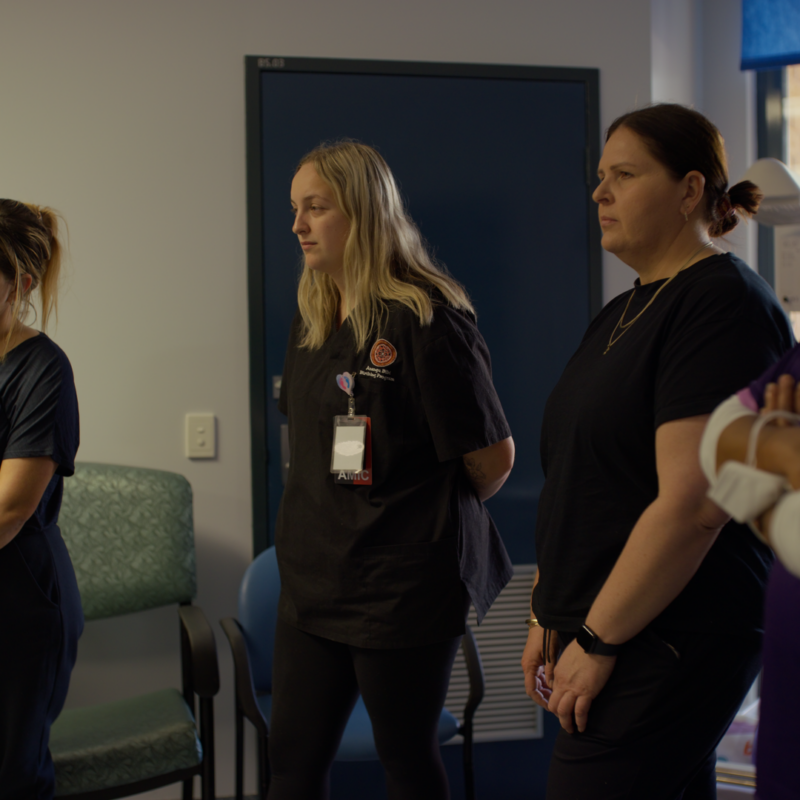
AMIC Workers are trained to:
A 2021/22 review by AHCSA found that many Aboriginal women experience mainstream maternity services as disconnected, clinical, and at times culturally unsafe. AMIC Workers help bridge this gap by offering trusted, culturally grounded care that respects and upholds Aboriginal traditions around pregnancy and birthing.
This model reflects the spirit of Grandmother Law (or Grandmother Lore)— where birthing knowledge is passed down through generations of Aboriginal women, supporting families through shared wisdom and care.
“Grandmother Law is a holistic approach to teaching women’s roles, responsibilities and obligations which includes nurturing, nourishing and respect for all life, spiritually, mentally, emotionally, physically and economically. Grandmother’s Law also establishes the foundation for Aboriginal women’s lifelong cultural rights from conception. Birthing is a celebration of life and has its own rituals, which establishes the health and well being for the child that continues throughout life. Aboriginal people expect that family will come and welcome the baby into the culture, family and community. This package has a focus on the importance of Grandmother’s Law: healthy spirit, healthy bodies, healthy pregnancies and healthy babies in the cultural context of the cycle of life.”
The work of AMIC Workers is closely aligned with the principles of Birthing on Country — a holistic approach to maternity care that centres Aboriginal women’s cultural and spiritual needs. It encourages care that:
Through AHCSA’s accredited training, AMIC Workers build the skills and confidence to deliver high‑quality care across all stages of pregnancy and childbirth. Learning is done in partnership with midwives, doctors, and community — a model of “two‑way learning” that values both clinical knowledge and cultural wisdom.
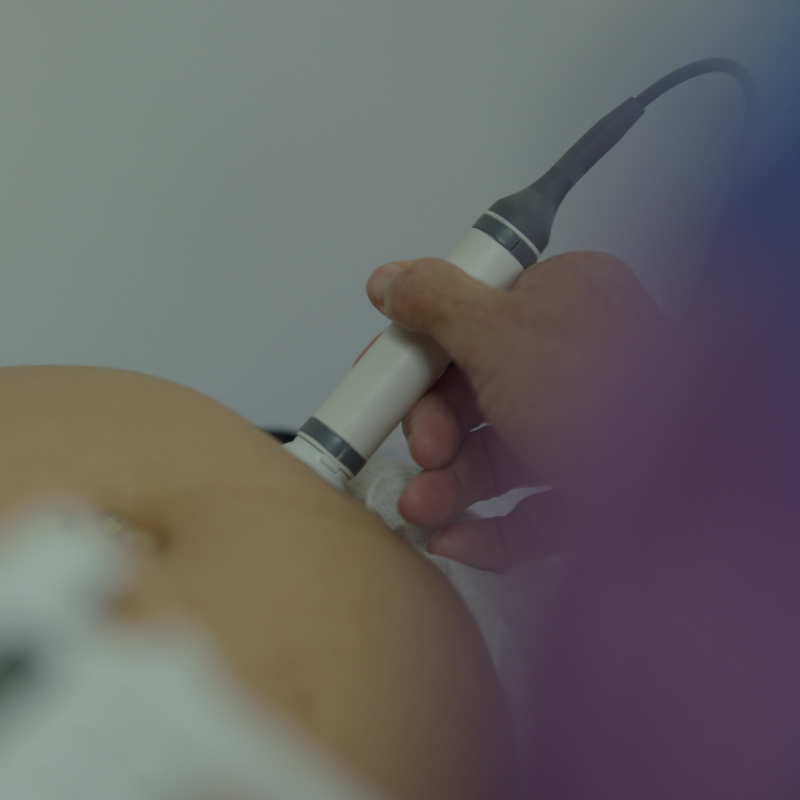
AMIC Workers are part of a powerful shift in Aboriginal maternal care — one that recognises that healthier families start with culturally safe care, grounded in tradition and community.
By investing in the AMIC model, we are investing in stronger beginnings for Aboriginal babies, families, and futures.